Slider_Post: This is a slider post
-
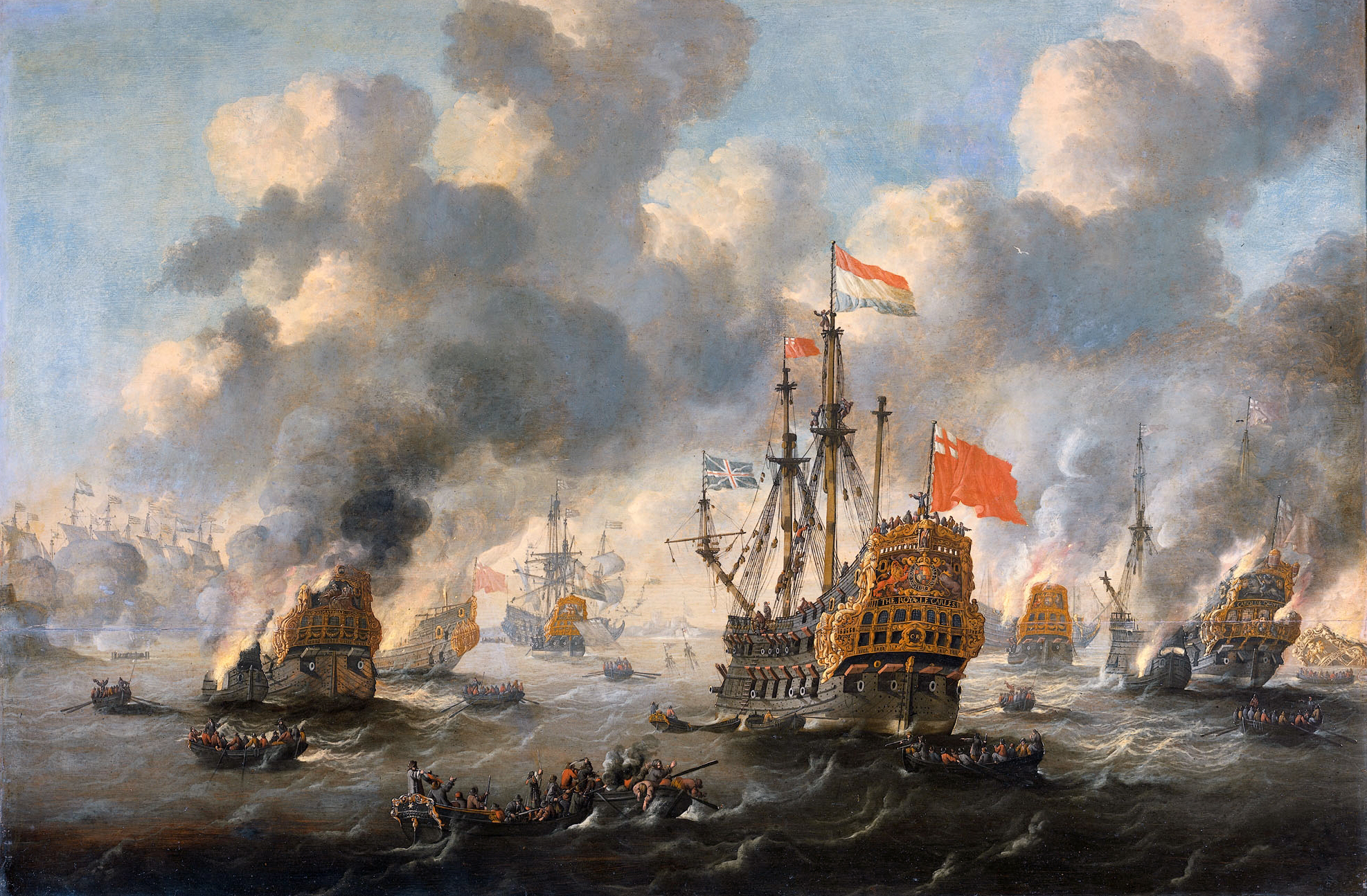
17th-century Dutch shipwreck discovered
March 3, 1677: The Dutch ship Huis de Kreuningen sunk in the southern Caribbean,during the Battle of Scarborough Harbour. The Dutch, who controlled the island of Tobago at the time, were attacked by the French. The battle was significant, both in terms of the number of lives lost and the damage done to both fleets.…
-

Bronze Age palace discovered near Murcia (Spain)
Archaeologists have discovered a Bronze Age palace-like structure at the archaeological site of La Almoloya, near Murcia, Spain. The researchers estimate the palace’s age of more than 4.000 years. The plateau where of site had a relatively large population from 2200 to 1550 BC and was probably one of the most densely populated areas of Europe. It…
-

German archaeologists reveal spectacular ‘barbarian’ treasure
An amateur archaeologist looted an early medieval treasure site last week (DisputedPast reported). Officials of the German state Rhineland-Palantinate showed the treasure yesterday. Given the value of the precious golden and silver objects, it is easy to understand why the finder was reluctant to deliver the goods to the authorities. Fine golden ornaments, silver cutlery and other golden…
-

How the catholic church turned ordinary skeletons into spectacular saints
The Vatican exported thousands of skeletons from their catacombs to Northern Europe in the 16th century. They were exhibited as saints, with spectacular golden jewelry and outfits. During the Enlightenment the dressed-up human remains lost their magical aura, and were kept in deep churches’ storages. Dr. Paul Koudounaris recovered them and made some astonishing pictures…
-

Why ‘War Generation’ is strongly criticized in America
In Germany, the historical drama ‘Unsere Mütter, Unsere Väter’ was a great success. Now, the mini-series is running in America under the title ‘Generation War’ and receives little understanding. The series recently started in American cinema’s but is branded already as ‘five hours of self-pity’ by many critics. It may seem hardly surprising that when a film aims to understand the young soldiers of the German Wehrmacht, it meets little openness…
-

Why Japan had to abolish state-Shinto 68 years ago
On December 15th, 1945, Japan abolished Shinto religion on American instigation. They regarded the ancient Shinto religion as an important part of Japanese nationalism and militarism – both foundations of the aggressive expansionist policy of imperial Japan in the first half of the 20th century. Shintoism is an old religion, dating back to the early…
-

Could tattoos hold the key to deciphering the long lost language of the Indus Valley culture?
Women of the Rabari and Bharwad communities, nomadic tribes living in the Indian state of Gujarat, are known for the elaborate tattoos they wear on their faces, arms and legs. The tattoos represent characteristics such as fertility or acquired skills. New research indicates that these tattoos closely resemble symbols used in the Indus Valley script,…